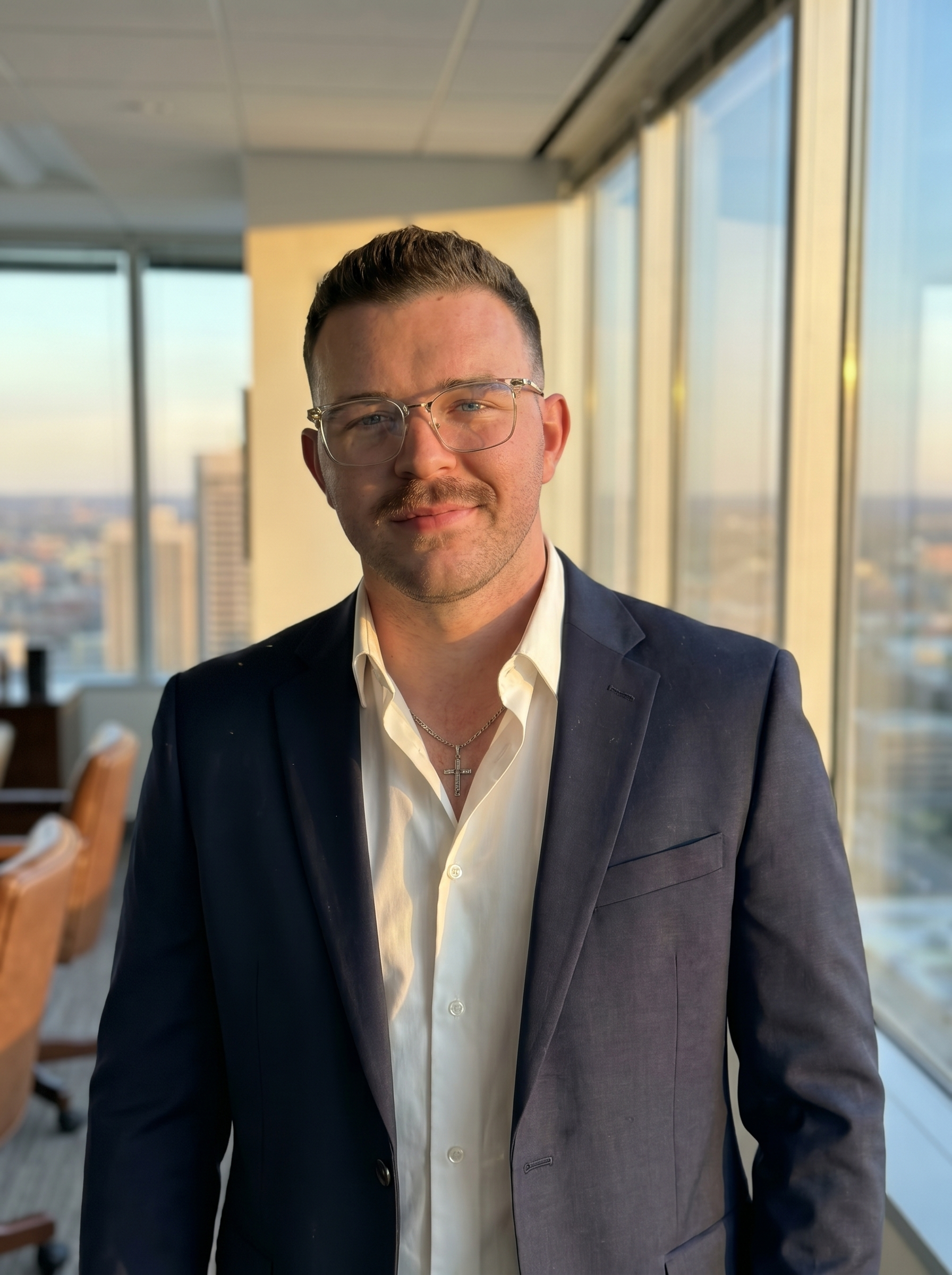
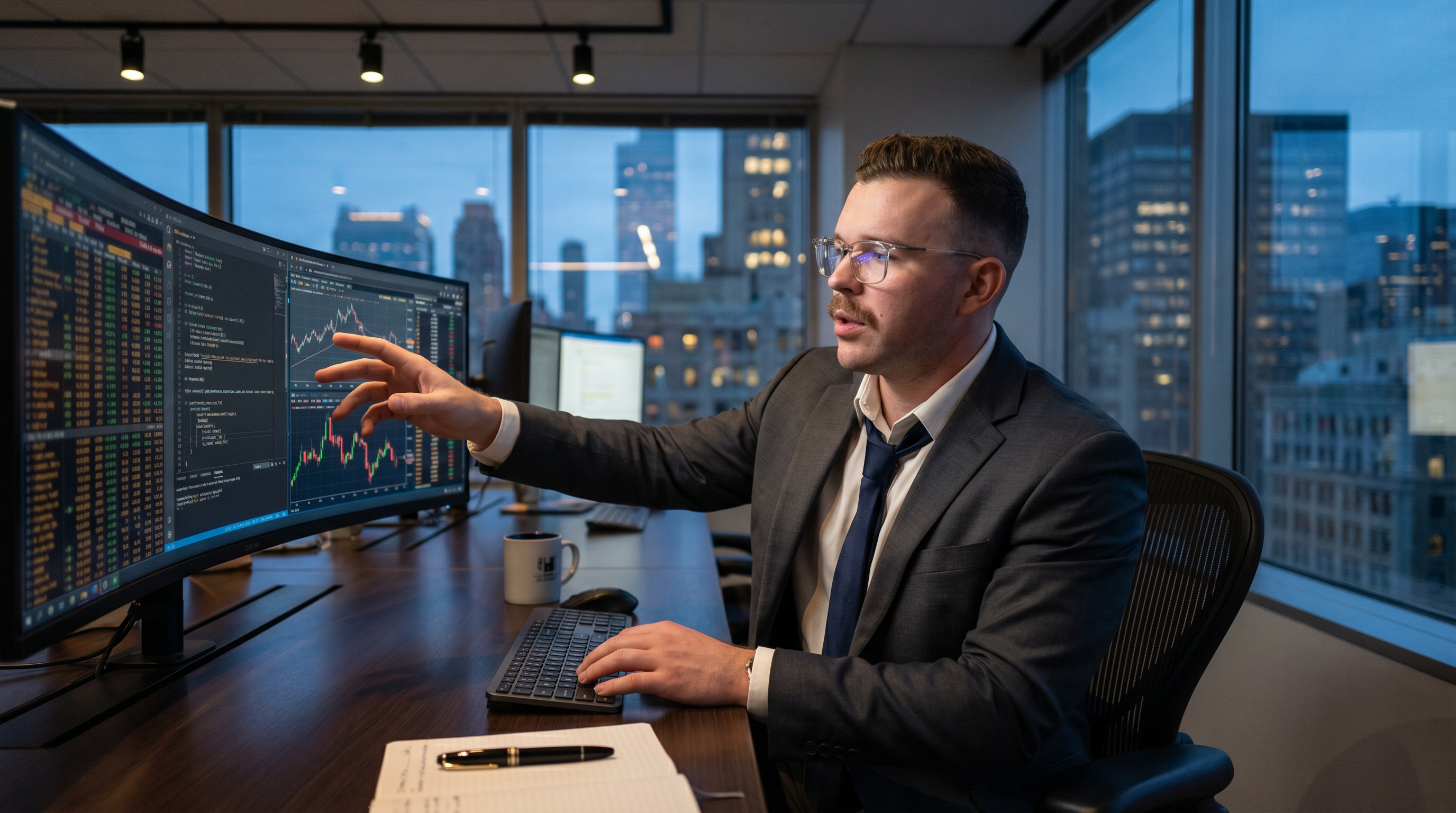
Asher Walk does not look like a man who has spent the last decade inside the rooms where institutional capital is actually priced and traded. He is calm, plainly dressed, and slightly removed — the kind of person who, in conversation, tends to listen for longer than is comfortable before speaking. Then he speaks precisely. It is a manner that fits a career built almost entirely inside systems where precision is the difference between staying solvent and not.
Walk is the Founder and Chief Executive Officer of Sentinel Capital, a financial technology company headquartered in Tampa, Florida, that builds AI-powered decision-support software for self-directed equity traders. The platform — paired with a quantitative desk drawn from Wall Street and Hong Kong — opened its doors to the public in 2020, after six years of private development. Walk and his team did not release a beta. They did not release a version one. They built the engine in private, tested it in live markets, and opened the company to outside traders only when the data, by his own account, was undeniable.
That decision — to be slow when the temptation to ship was high — was not unusual for him. Before Sentinel, Walk served three years of active duty in the United States Navy, where he has spoken of learning a different relationship to chaos than most people his age. He then crossed into the quantitative side of Wall Street, eventually becoming a lead algorithmic strategist at one of the top quantitative trading firms in the world: a firm with eight-figure client minimums and a multi-year waiting list to be considered. Inside, he built the decision-support systems that institutional traders rely on every day.
His thesis for Sentinel Capital is simple, and he is unusually direct about it. For fifty years, he says, the tools that work — the engines that scan and score, the desks that supervise them — were locked behind eight-figure minimums for no good reason other than incumbency. The technology existed. It worked. It had been refined for half a century. It just wasn't available. Walk's company is his attempt to unlock it.
What separates Sentinel from the dozens of platforms that have promised the same thing, in his telling, is not the engine. It is the desk. Walk believes — and has repeatedly said — that an algorithm without disciplined human oversight is a liability in modern markets. Every approved setup that reaches a Sentinel client is signed off by a member of a quantitative team drawn from hedge funds and Wall Street trading desks, with combined exposure to more than $150 million in trading capital. The default state at Sentinel, by design, is restraint.
Walk lives and works in Tampa, Florida, where Sentinel is headquartered at a single office on East Jackson Street. Engineering, the desk, and client support all sit in the same building. He is unusual among modern founders in his preference for visibility over scale. He has spoken publicly, he answers his own email, and he has built the company on the principle that legitimacy is something a serious business demonstrates publicly, in ways anyone can independently verify — rather than something it asks its visitors to take on faith.